 At Ace Transmission, Inc., we know how frustrating it is to turn the key or press the start button and get little more than a click, a slow crank, or nothing at all. That’s why our starter replacement service in Hanover Park, IL, is designed to help drivers identify starting-system problems quickly and get back on the road with confidence. Because the starter is responsible for turning the engine over, a failing unit can eventually leave your vehicle completely unable to start. Plus, with more than 45 years of automotive experience, our team focuses on accurate diagnosis before recommending any repair.
What the Starter Actually Does
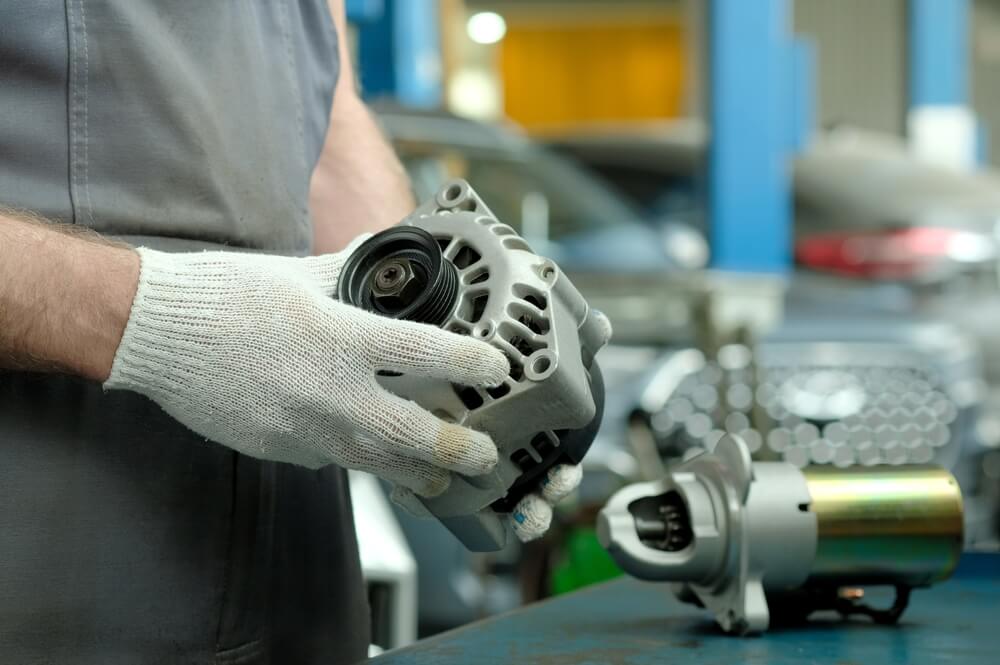
Your starter is a small but essential part of the vehicle’s starting system. When you try to start the car, the battery sends electrical power to the starter motor. The starter then turns the engine so combustion can begin and the vehicle can run on its own.
When the starter begins to fail, the engine may not turn over properly. In some cases, the vehicle may start intermittently for a while before the problem becomes more consistent. In other cases, starter failure can seem sudden.
That is why we recommend paying attention to changes in how your vehicle starts. A small warning sign today can become a complete no-start situation later.
How to Tell if Your Starter May Need Replacement
Several symptoms can point to a starter problem, although some of them can also be caused by the battery, wiring, ignition system, or other electrical components. That’s why testing matters. If you notice one or more of these symptoms, it is worth having the starting system inspected before the problem gets worse.
Common signs that your starter may need attention include:
- A clicking sound when you try to start the vehicle
- The engine does not crank even though lights and accessories work
- Intermittent starting problems
- A grinding noise during startup
- A whirring sound without the engine turning over
- Slow or labored cranking
- Smoke or a burning smell near the starter area
- Needing several attempts before the engine starts
Not Every No-Start Problem Is the Starter
One of the most important parts of starter replacement is making sure the starter is actually the problem.
A weak battery can create similar symptoms. So can corroded battery terminals, damaged cables, a faulty ignition switch, starter relay problems, or charging-system issues related to the alternator. Replacing a starter without checking those possibilities first can waste time and money.
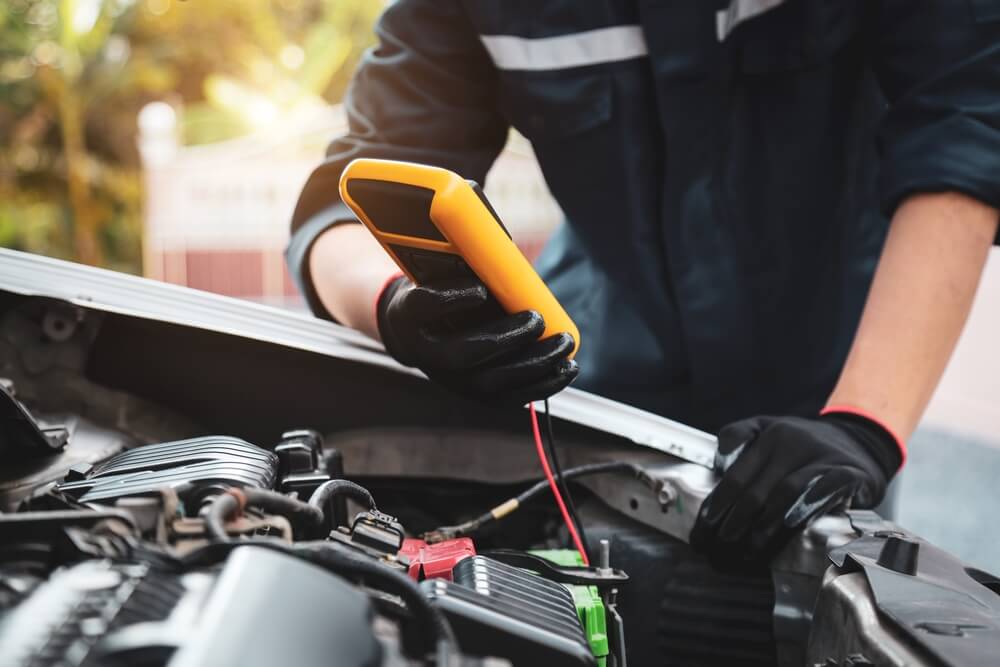
Our approach is to diagnose the system before recommending a replacement. We look at the symptoms, battery condition, electrical connections, and starter operation so we can make a more informed decision.
That process helps us separate a true starter failure from another issue that happens to look similar.
Why Starter Problems Should Be Addressed Early
A failing starter usually does not repair itself. If the internal components are worn, damaged, or no longer making proper electrical contact, the condition will often become less reliable over time.
You may get several normal starts in a row and then suddenly find yourself stranded in a parking lot or driveway.
Addressing the problem early gives you more control over the situation. Instead of waiting until the vehicle cannot start at all, you can schedule the repair at a time that is more convenient and avoid an unexpected towing situation.
For us, that is one of the biggest benefits of paying attention to early warning signs.
Cold Weather Can Make Starting Problems More Noticeable
Illinois winters can expose weaknesses in a starting system that were easier to miss during warmer months. Cold temperatures can reduce battery output while also making the engine harder to turn over.
That means a starter that is already beginning to wear may struggle even more during a cold morning.
Drivers around Hanover Park, Cook County, and DuPage County also deal with seasonal temperature swings, road salt, moisture, and daily stop-and-go driving. Those conditions can affect electrical connections and contribute to wear over time.
If your vehicle has become noticeably harder to start as temperatures drop, we recommend having the battery and starter system checked instead of assuming the problem will go away.
What Happens During Starter Replacement
If testing confirms that the starter is the source of the problem, we can replace the failing unit and make sure the system is operating correctly afterward.
The exact repair process varies by vehicle because starter location and access differ from one make and model to another. Some starters are relatively easy to reach, while others require additional components to be moved before replacement.
Our goal is to complete the work carefully and verify that the vehicle starts properly once the repair is finished.
We also pay attention to surrounding electrical connections because a replacement starter still depends on clean, secure power and ground connections to work correctly, much like the components we check during engine diagnostics.
More Than 45 Years of Automotive Experience
Ace Transmission has been family-owned and serving the community since 1978. We are known for transmission service, repair, and rebuilding, but our experience extends well beyond transmissions.
We service foreign and domestic vehicles and work on both automatic and standard transmissions. Our broader automotive services include:
- Starter replacement
- Battery replacement
- Electrical diagnostics
- Engine diagnostics and repair
- Brake service
- Radiator and cooling-system repair
- Air conditioning service
- Driveshaft and differential work
- Failed emissions test repairs
- General vehicle maintenance
That range of experience is useful when a starting problem overlaps with another electrical or mechanical issue. We can look at the vehicle as a complete system rather than focusing on one part in isolation.
Frequently Asked Questions
What are the most common signs of a bad starter?
Clicking, intermittent starting, grinding, whirring, and a no-crank condition are all common warning signs. If the lights and accessories work but the engine does not turn over, the starter may be involved.
Can a bad battery feel like a bad starter?
Yes. A weak battery can cause clicking, slow cranking, or a no-start condition. That is why we recommend testing the battery and starting system before replacing the starter.
How long does a starter usually last?
Starter lifespan varies based on vehicle design, driving habits, electrical condition, and overall wear. Some starters last well over 100,000 miles, while others fail sooner. Symptoms and testing are more useful than mileage alone.
Can I keep driving with a failing starter?
You may be able to drive once the engine is running, but the vehicle may not restart after you shut it off. A failing starter can become completely inoperative without much warning.
Does Ace Transmission handle electrical repairs too?
Yes. In addition to starter replacement, we provide battery service, electrical diagnostics, engine diagnostics, transmission work, cooling-system repairs, brakes, and other general automotive services. If you’re unsure what’s causing an issue, feel free to contact our team for a diagnosis.
Avoid Getting Stuck With a Vehicle That Will Not Start
A weak starter can be easy to ignore when the vehicle still starts most of the time, but that reliability can disappear quickly. At Ace Transmission, Inc., we help drivers identify starting-system problems before they turn into a complete no-start situation. So if you’re hearing clicks, experiencing intermittent starting, or noticing that the engine is becoming harder to crank, don’t put it off any longer! Simply schedule a starter inspection or replacement, and let us help keep your vehicle dependable when you turn the key.