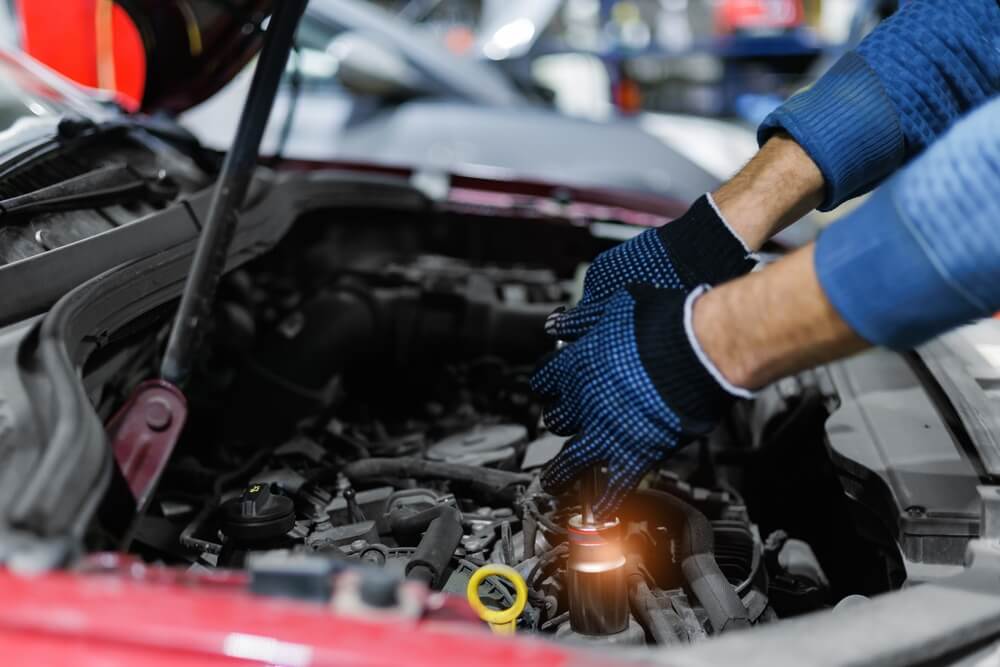
 At Ace Transmission, Inc., we know engine problems are easier to deal with when they are found early. That’s why our engine diagnostics and repair services in Hanover Park, IL, are designed to help drivers identify developing issues before they turn into larger, more expensive failures. Plus, with more than 45 years of automotive experience, we help drivers make informed repair decisions and stay ahead of avoidable problems. So whether your check engine light has come on, your vehicle feels different behind the wheel, or you simply want an engine inspection as part of routine maintenance, our team takes the time to find the cause instead of guessing.
Why Early Engine Diagnosis Matters
Engines rarely go from perfectly healthy to completely failed without some kind of warning along the way. The problem is that those warning signs are not always dramatic. You might notice a small change in fuel economy, a rough idle, slower acceleration, an unusual noise, or a dashboard light that appears and disappears.
Those symptoms can be easy to put off, especially when the vehicle still starts and drives. However, waiting can give a smaller issue time to affect other components. A problem that could have been handled through maintenance or a focused repair may become more involved if heat, friction, poor combustion, or fluid loss continues unchecked.
Our approach is proactive. We want to identify what is happening while you still have options, not after your vehicle leaves you stranded or develops serious internal damage.
What Our Engine Diagnostics Process Looks For
Modern vehicles depend on a combination of mechanical systems, sensors, electronics, fuel delivery, ignition components, emissions controls, and computer modules. That means an engine warning light does not always point directly to one failed part.
Our diagnostic process is designed to narrow down the real source of the problem. Depending on your vehicle and symptoms, an engine inspection may involve checking for visible wear, fluid concerns, electrical issues, abnormal operating conditions, or diagnostic trouble codes.
We may evaluate issues related to:
- Check engine lights and stored fault codes
- Rough idling or stalling
- Hard starting or no-start conditions
- Reduced engine performance
- Unusual noises or vibrations
- Fluid leaks or low fluid levels
- Cooling and overheating concerns
- Fuel or ignition problems
- Electrical or sensor-related faults
- Emissions-related performance issues
The goal is not to replace parts until something works. We use diagnostics to build a clearer picture of what the vehicle actually needs.
Engine Repair Starts With the Right Information
Good engine repair depends on good diagnosis. If the root cause is not identified correctly, a repair can waste time and money while the original problem remains.
That is why we place so much importance on the diagnostic step. Once we understand what is happening, we can explain what needs attention, what can wait, and whether maintenance may help prevent additional damage.
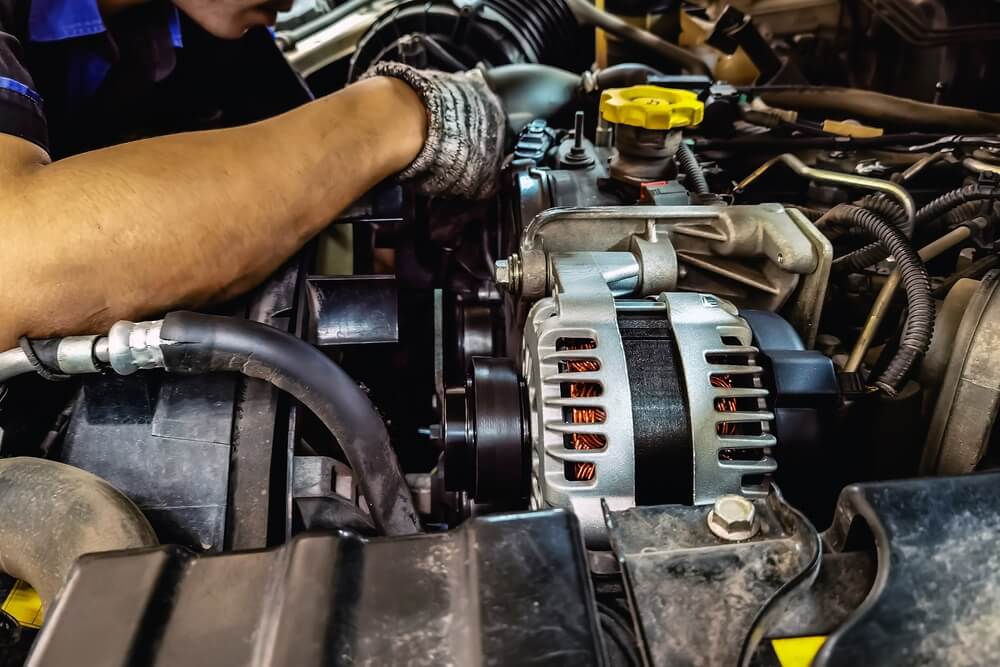
Sometimes the solution is relatively straightforward. Other times, symptoms may point to a more complex mechanical or electrical issue, such as a problem connected to the alternator, that requires further testing. Either way, we want our customers to understand the reasoning behind our recommendations.
For us, a strong repair process starts with facts rather than assumptions.
Preventive Maintenance Helps Protect Your Engine
Engine diagnostics are important when something feels wrong, but maintenance is just as important when everything seems normal. Routine service gives us opportunities to catch wear, leaks, fluid deterioration, and other concerns before they become obvious driving problems.
Some of the most important maintenance habits include:
- Keeping up with oil changes
- Checking fluid condition and levels
- Addressing cooling system problems
- Replacing worn belts and hoses
- Paying attention to warning lights
- Investigating new noises or vibrations
- Following recommended service intervals
- Scheduling inspections before small issues grow
An oil change may seem unrelated to engine diagnostics, but regular oil service plays a major role in protecting moving internal components from heat and friction. The same idea applies to cooling system maintenance, fluid checks, and other routine services.
Maintenance cannot prevent every repair, but it can reduce unnecessary wear and give you a better chance of catching trouble early.
Local Driving Conditions Can Add Wear
Driving around Hanover Park and the surrounding suburbs brings a mix of conditions that can affect engine performance over time. Cold Illinois winters, summer heat, stop-and-go traffic, potholes, road salt, and short trips can all place extra stress on vehicle systems.
Cold weather can make starting more demanding, while summer temperatures can put added pressure on the cooling system related to radiator repair. Frequent local trips along roads such as Barrington Road, Irving Park Road, and Lake Street can also mean repeated starts, stops, and idling.
That is one reason we encourage drivers to think of engine care as an ongoing process rather than something that begins only after a breakdown.
Experience With More Than Just Engines
Ace Transmission has been family-owned and serving the community since 1978. While transmission service, rebuilding, and repair remain a major part of what we do, our experience extends across many automotive systems.
We service foreign and domestic vehicles, including automatic and standard transmissions. Our additional services include brakes, radiators, air conditioning, electrical work, driveshaft and differential service, failed emissions repairs, fluid maintenance, and general diagnostics.
That broader experience matters because engine symptoms can sometimes be connected to cooling, electrical, emissions, or driveline issues. Looking at the entire vehicle helps us avoid treating one symptom in isolation.
We also offer conveniences such as free road tests, 24-hour drop-off service, and free towing with a transmission overhaul when applicable.
Frequently Asked Questions
What are common signs that I need engine diagnostics?
A check engine light, rough idle, hard starting, reduced power, unusual noises, stalling, poor fuel economy, or overheating can all justify diagnostic testing. Even minor changes in how your vehicle runs can be worth checking before they develop into larger problems.
Can an engine inspection prevent major repairs?
An inspection cannot prevent every mechanical failure, but it can help identify wear, leaks, fluid issues, and other concerns earlier. Addressing those problems sooner may reduce the chance of more extensive damage.
Does a check engine light always mean something serious?
Not necessarily. A check engine light can be triggered by many different issues, ranging from relatively minor faults to more serious mechanical or emissions problems. Diagnostics help determine the actual cause.
How much does engine repair cost?
Engine repair costs vary widely because the cause of the problem can range from a small component to a more involved mechanical issue. We recommend diagnosing the vehicle first so the repair estimate is based on what is actually wrong.
Should I schedule diagnostics if my car still drives normally?
Yes, especially if a warning light is on or you have noticed a recent change in performance. Some problems begin gradually, and early diagnosis can give you more repair options before the issue becomes severe. You can always reach out to our team if you’re unsure whether it’s time for a visit.
Stay Ahead of Engine Problems Before They Grow
Your engine does not need to fail before it deserves attention. At Ace Transmission, Inc., we use engine diagnostics and repair to help drivers catch problems earlier, understand what their vehicle needs, and avoid unnecessary surprises whenever possible. Regular maintenance, timely inspections, and quick attention to new symptoms can make a meaningful difference in long-term reliability. So if your check engine light is on, your vehicle is running differently, or you simply want greater confidence in its condition, contact our team today to schedule an engine inspection and keep your vehicle moving with fewer unexpected problems.