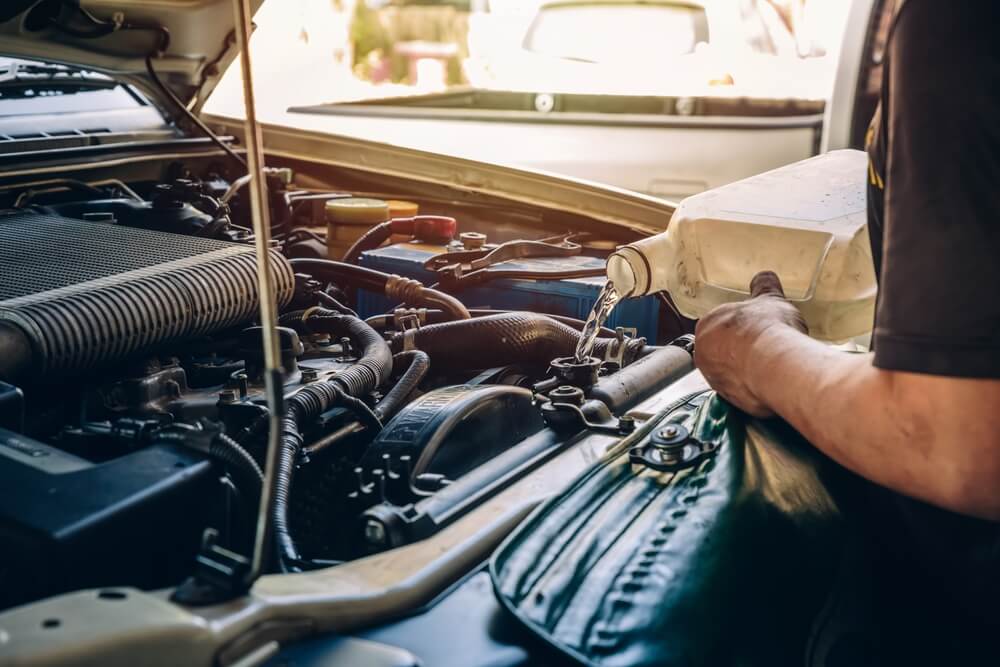
 At Ace Transmission, Inc., we know how quickly a cooling system problem can turn into a much bigger engine issue. Our radiator repair services in Hanover Park, IL, are designed to help drivers catch trouble early, restore proper engine cooling, and avoid the damage that can come from overheating. If your temperature gauge is climbing, you notice coolant under the vehicle, or your engine seems to be running hotter than usual, it is worth having the system checked. And with more than 45 years of automotive experience, our team helps identify the cause and recommend the right repair before a small problem becomes an expensive one.
Why Your Radiator Matters More Than You Might Think
Your radiator is a major part of the engine cooling system. As your engine runs, it creates a tremendous amount of heat. Coolant circulates through the engine, absorbs that heat, and carries it to the radiator, where it can be released before the coolant cycles back through the system.
When the radiator, coolant, hoses, thermostat, fan, or another cooling-system component is not working correctly, heat can build up quickly. An overheated engine can suffer serious damage, including warped components, failed gaskets, and other repairs that are far more costly than addressing the original cooling problem.
That is why we recommend taking early warning signs seriously. A radiator issue rarely gets better on its own, and continuing to drive while the engine is overheating can make the situation much worse.
Signs You May Need Radiator Repair
Some cooling-system problems are obvious, while others develop gradually. Knowing what to watch for can help you bring the vehicle in before the engine reaches a dangerous temperature.
Common signs of a radiator or engine cooling issue include:
- A temperature gauge that runs higher than normal
- Steam coming from under the hood
- Coolant leaking beneath the vehicle
- A sweet or unusual smell around the engine bay
- Frequent need to add coolant
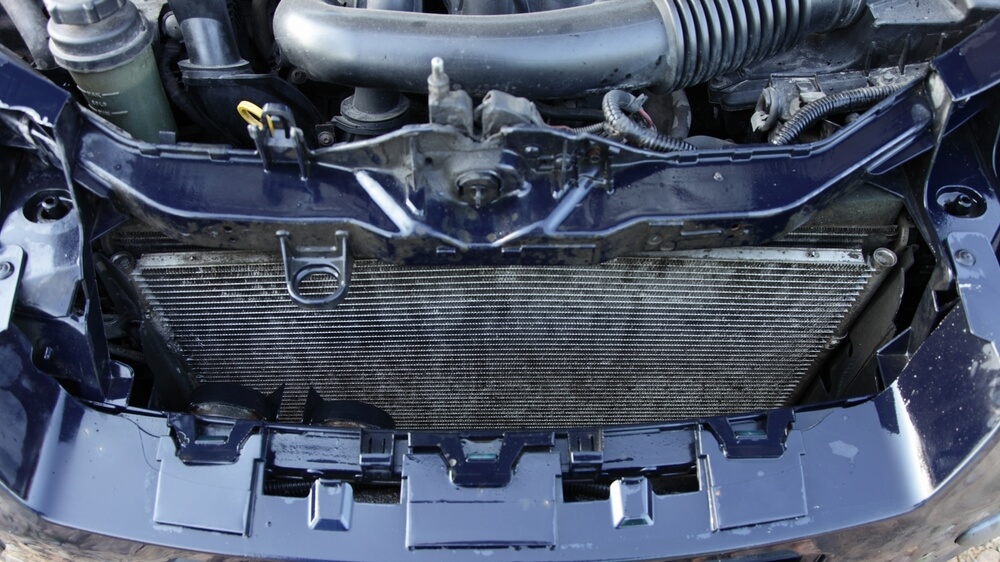
- Visible corrosion or damage around the radiator
- Engine overheating in traffic or while idling
- Cooling fans that do not seem to operate correctly
- Dashboard temperature or coolant warning lights
- Reduced heater performance inside the vehicle
Even if the vehicle has not fully overheated, repeated temperature changes or coolant loss should be checked through a proper inspection. These symptoms may point to the radiator itself or another part of the cooling system.
Coolant Leaks Should Never Be Ignored
A coolant leak is one of the most common signs that something is wrong with the cooling system. The leak may come from the radiator, a hose, a connection, the water pump, or another component.
The problem with coolant loss is that your engine may still seem to run normally for a while. Once the coolant level drops far enough, however, the system may no longer be able to control engine temperature properly, which is why keeping up with regular fluid maintenance matters.
If you see fluid under the front of the vehicle or notice that you are adding coolant more often than usual, we recommend having the system inspected. Finding and repairing the source of the leak early can help prevent an overheating event and the engine damage that may follow.
Overheating Is a Warning, Not an Inconvenience
When an engine overheats, it is telling you that something in the cooling system is no longer doing its job. Continuing to drive with the temperature gauge in the red can put the engine at serious risk.
We often see cooling problems connected to restricted radiators, low coolant, failing fans, stuck thermostats, damaged hoses, leaks, or other mechanical issues. Because several components work together to regulate temperature, proper diagnosis matters.
Our goal is to find the actual source of the problem rather than replacing parts unnecessarily. Once we know what is causing the overheating or coolant loss, we can explain the repair options and help you understand what should be addressed first.
Illinois Weather Can Be Tough on Cooling Systems
Local weather conditions can place extra stress on engine cooling systems throughout the year. Hot summer days force the radiator and cooling fans to work harder, especially during slow traffic and extended idling. Winter brings a different challenge, with freezing temperatures and repeated heating and cooling cycles affecting hoses, seals, and coolant performance.
Road salt and moisture can also contribute to corrosion over time. For drivers traveling through Hanover Park, nearby suburbs, and busy routes such as Barrington Road and Irving Park Road, routine stop-and-go driving can add even more heat to the equation.
Keeping the cooling system in good condition helps your vehicle handle those seasonal demands more reliably.
Radiator Service Is Part of Preventive Maintenance
Radiator repair is not only about fixing a vehicle after it overheats. Regular inspection and maintenance can help identify coolant leaks, worn hoses, corrosion, fluid problems, and other concerns before they become emergencies, much like the checks we perform during a routine auto tune-up. And while maintenance cannot eliminate every mechanical problem, it gives us more opportunities to catch issues before they cause widespread damage.
Good cooling-system care may include:
- Checking coolant level and condition
- Inspecting hoses and connections
- Looking for visible leaks
- Monitoring operating temperature
- Checking radiator condition
- Inspecting cooling fans
- Addressing warning lights promptly
- Replacing worn or damaged components
More Than 45 Years of Automotive Experience
Ace Transmission has been family-owned and serving the community since 1978. Although transmission repair, service, and rebuilding are a major part of our history, our experience extends across many other vehicle systems.
We work on foreign and domestic vehicles, including automatic and standard transmissions. Our services also include brakes, air conditioning, diagnostics, electrical work, driveshaft and differential service, failed emissions repairs, fluid maintenance, and engine-related services.
That broader experience is useful when a cooling problem overlaps with another mechanical concern. We can look at the vehicle as a complete system rather than focusing only on one isolated component.
 Frequently Asked Questions
 Frequently Asked Questions
How do I know if my radiator is failing?
Common signs include overheating, coolant leaks, frequent coolant loss, visible corrosion, steam under the hood, and a temperature gauge that runs higher than normal. These symptoms can also come from other cooling-system components, so an inspection is the best way to determine the cause.
Can I keep driving if my engine is overheating?
Driving an overheating vehicle can cause severe engine damage. If the temperature rises into the danger range or you see steam, it is safest to stop driving and have the vehicle inspected before continuing.
Why is coolant leaking from my vehicle?
Coolant leaks can come from the radiator, hoses, water pump, connections, seals, or other cooling-system components. We inspect the system to locate the source before recommending repairs.
How often should the cooling system be checked?
Inspection intervals vary by vehicle, age, mileage, and manufacturer recommendations. It is also smart to have the system checked whenever you notice temperature changes, coolant loss, leaks, or warning lights.
Does Ace Transmission repair more than radiators?
Yes. In addition to radiator repair, we provide transmission work, brakes, air conditioning service, diagnostics, electrical repairs, driveshaft and differential service, failed emissions repairs, and other automotive maintenance.
Protect Your Engine Before Overheating Causes Bigger Problems
A cooling-system issue is one of those problems that can move from minor to serious very quickly. At Ace Transmission, Inc., we use our experience to help drivers catch radiator and engine cooling problems early, understand what is causing them, and make repairs before excessive heat leads to costly engine damage. So if your temperature gauge is climbing, coolant is disappearing, or something simply does not seem right, do not wait for a full breakdown. Just contact our team today to schedule a radiator inspection, and keep your vehicle running at a safe, controlled temperature.